Argon, Carbon Dioxide and Compressed Air Comparison for Metal Cutting
Introduction
With the increasing demand for customized metal products, small manufacturing companies and advertising workshops are looking for efficient and affordable metal processing solutions.
A Desktop Fiber Laser Cutting Machine provides an ideal solution for businesses that need precision cutting without investing in large industrial equipment.
Compared with traditional cutting methods, a desktop laser cutting machine offers:
- Compact machine design
- Lower investment cost
- High cutting accuracy
- Flexible production capability
It is widely used for:
- Stainless steel advertising letters
- Metal signs
- Decorative panels
- Small metal parts
- Customized products
However, besides the machine performance, the selection of assist gas is also an important factor affecting cutting quality and long-term operating costs.
Why Does a Desktop Fiber Laser Cutting Machine Need Assist Gas?
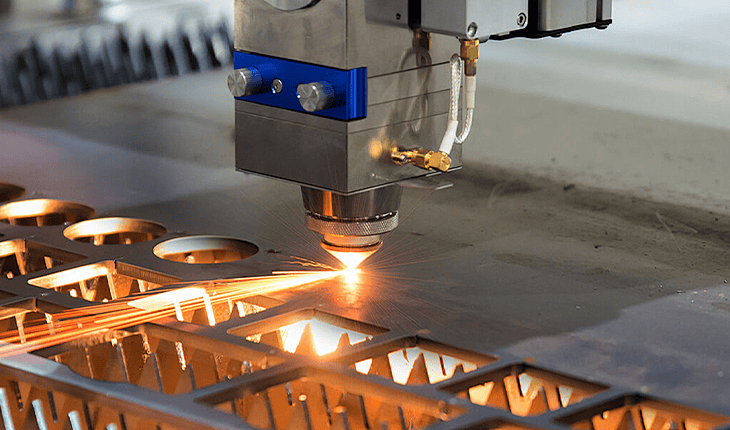
During fiber laser cutting, the laser beam generates extremely high temperatures to melt metal materials.
Assist gas is supplied through the cutting nozzle to:
- Remove molten metal residue
- Improve cutting stability
- Enhance edge quality
- Reduce oxidation effects
Different gases influence:
- Cutting edge appearance
- Black edge formation
- Material oxidation
- Production cost
The most common assist gases include:
- Argon
- Carbon Dioxide (CO₂)
- Compressed Air
Argon Gas for Desktop Fiber Laser Cutting Machine
Argon is an inert gas that reduces oxidation during the laser cutting process.
Advantages of Argon
| Item | Performance |
|---|---|
| Cutting edge | Excellent |
| Oxidation level | Very low |
| Black edge | Minimal |
| Surface appearance | High quality |
Argon is suitable for applications requiring excellent appearance, such as:
- Premium stainless steel products
- High-end decorative parts
- Precision metal components
Disadvantages of Argon
The main disadvantage of argon is the higher operating cost.
For customers in Europe and North America, argon usually requires:
- Gas cylinder purchase or rental
- Regular gas replacement
- Additional storage management
Therefore, argon is mainly recommended for products where cutting appearance is more important than production cost.
Carbon Dioxide (CO₂) for Laser Cutting
Carbon dioxide is another gas option used in some laser cutting applications.
Advantages of CO₂
Compared with normal air, CO₂ can reduce oxidation and improve cutting appearance.
| Item | Performance |
|---|---|
| Cutting quality | Good |
| Oxidation | Reduced |
| Black edge | Reduced |
| Cost | Medium-high |
CO₂ is suitable for:
- Premium advertising products
- Decorative metal applications
- Appearance-focused products
Disadvantages of CO₂
Although CO₂ improves cutting quality, the continuous gas supply increases production expenses.
For companies with large daily production volume, the gas cost needs to be carefully considered.
Compressed Air for Desktop Fiber Laser Cutting Machine
For most small businesses, compressed air is the most practical long-term solution.
An air compressor system provides a stable and economical gas supply.
Advantages of Compressed Air
| Item | Performance |
|---|---|
| Operating cost | Lowest |
| Availability | Excellent |
| Maintenance | Easy |
| Long-term production | Recommended |
Main advantages:
Lower Production Cost
Compared with argon and CO₂, compressed air significantly reduces daily operating expenses.
Once an air compressor system is installed, companies can continuously use air for cutting.
Suitable for Daily Production
Compressed air is widely used for:
- Advertising sign production
- Stainless steel processing
- Small metal fabrication
Disadvantages of Compressed Air
The main limitation of compressed air is oxidation.
Because air contains oxygen, high-temperature laser cutting may cause:
- Dark cutting edges
- Black marks
- Surface oxidation
Compared with argon and CO₂, the edge appearance is lower.
However, for many everyday advertising and metal fabrication applications, the lower operating cost makes compressed air the preferred choice.
Comparison of Laser Cutting Assist Gas
| Comparison | Argon | CO₂ | Compressed Air |
|---|---|---|---|
| Cutting quality | Excellent | Good | Normal |
| Black edge control | Best | Good | Limited |
| Oxidation | Lowest | Low | Higher |
| Operating cost | High | Medium-high | Low |
| Long-term production cost | High | Medium | Lowest |
| Recommended application | Premium products | Appearance-focused products | Daily production |
Desktop Fiber Laser Cutting Machine Operating Cost Analysis
When choosing a laser cutting solution, companies should consider not only machine price but also long-term running costs.
Main operating costs include:
| Cost Factor | Details |
|---|---|
| Assist gas | Argon, CO₂, compressed air |
| Electricity | Laser source, chiller, motors |
| Consumables | Nozzles, protective lenses |
| Maintenance | Cleaning and replacement |
Among these factors, assist gas selection has a significant impact on long-term production expenses.
Which Gas Should European and American Customers Choose?
For Premium Stainless Steel Products
Recommended:
Argon
Because it provides the cleanest cutting edge and minimum oxidation.
For High-Quality Advertising Products
Recommended:
CO₂
Because it provides a balance between quality and cost.
For Daily Production and Cost Control
Recommended:
Compressed Air
Because it provides the lowest operating cost and is suitable for continuous production.
Conclusion
A Desktop Fiber Laser Cutting Machine is an efficient solution for small businesses that need flexible metal processing capability.
Argon and carbon dioxide can improve cutting appearance and reduce black edges, but their operating costs are higher.
Compressed air may produce some oxidation marks, but its low cost, easy maintenance, and long-term practicality make it the preferred choice for many small advertising companies and metal workshops.
Choosing the right assist gas allows businesses to achieve the best balance between cutting quality and production cost.